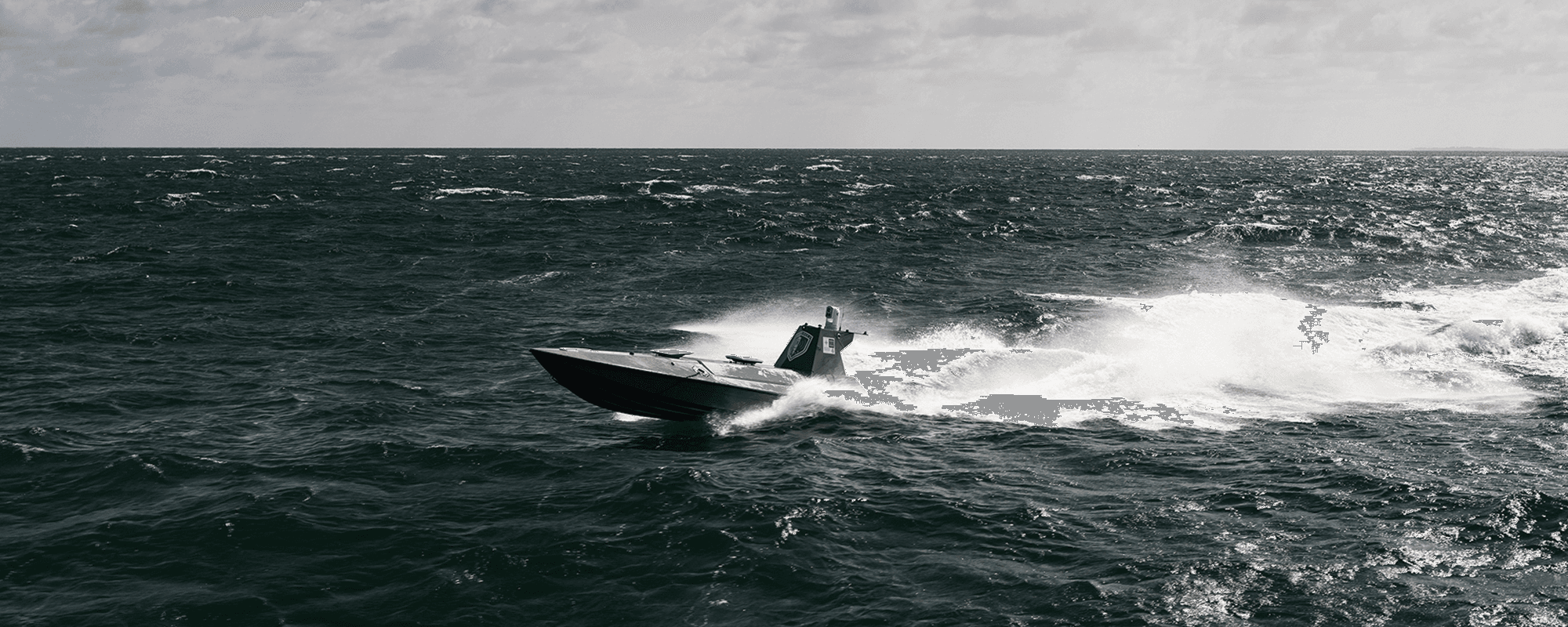
Interest in USVs has shifted decisively from niche mine-countermeasures to central naval capability, with global leaders at CNE signalling widespread adoption of autonomous systems as part of a scalable, integrated “hybrid navy” model.
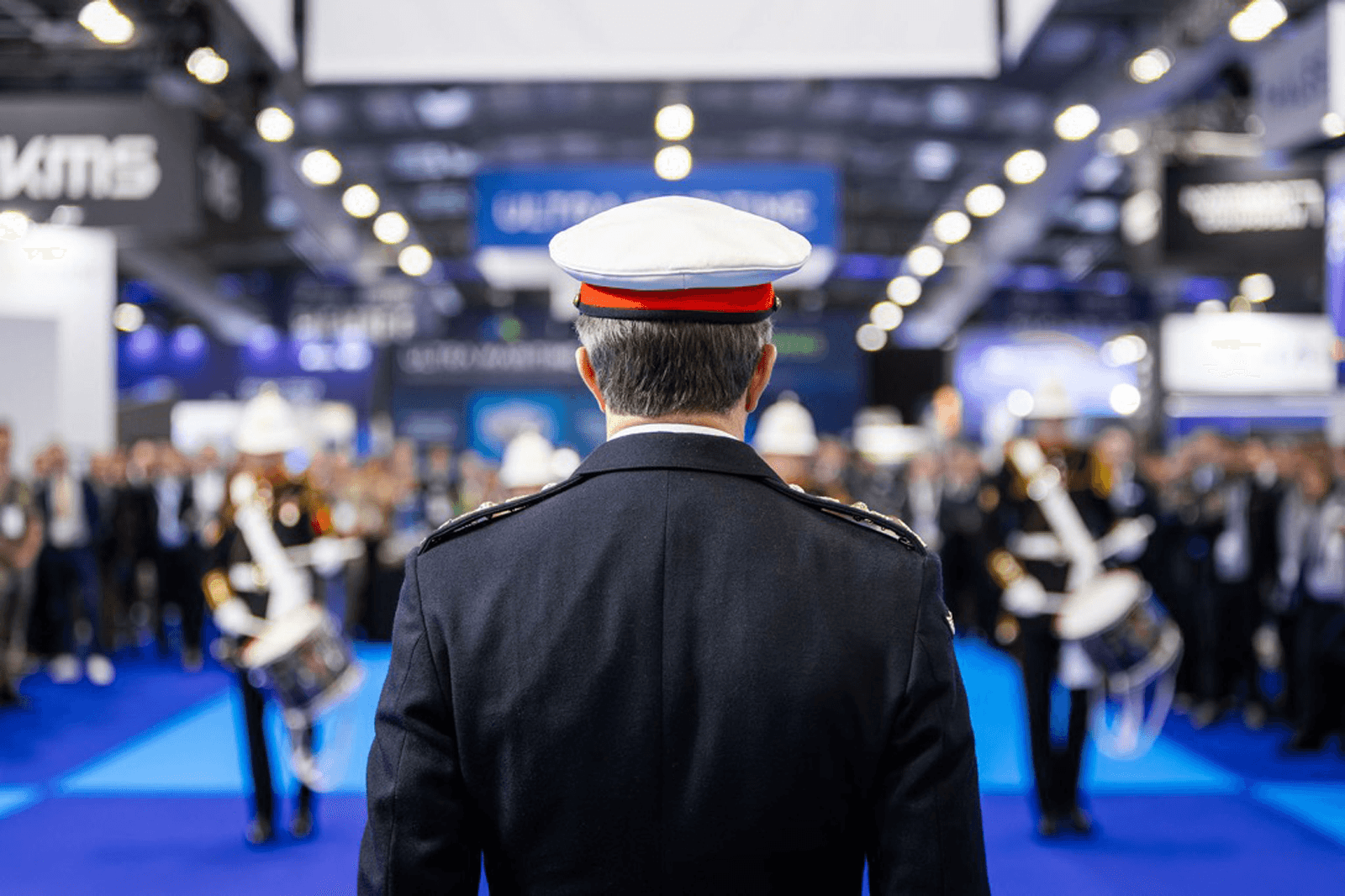
The race to field Uncrewed Surface Vessels (USVs) is accelerating. That much was clear at the Combined Naval Event (CNE) in Farnborough, UK, where interest in autonomous technology has grown markedly since last year's gathering.
This was the assessment of former Royal Navy Admiral and now senior advisor to Kraken Technology Group, James Parkin, who described to Kraken “unprecedented” enthusiasm for autonomous solutions at CNE (19-21 May).
One of Europe’s leading maritime defence events, CNE once again drew close to 3,000 attendees, including delegations from navies and marine corps from 68 nations from around the world, who convened to examine how best to respond to emerging threats in the maritime domain.
According to Parkin, almost every senior naval leader present signalled an intent to acquire some form of USV capability - sentiment echoed in keynote remarks by NATO’s outgoing Deputy Supreme Allied Commander Europe (DSACEUR), Admiral Sir Keith Blount, and the UK’s First Sea Lord, General Sir Gwyn Jenkins.
“2026 represented a huge change for CNE,” Parkin said, noting that in previous years USVs had featured primarily in a mine-countermeasures context. “Of the other 185 speakers at the event, more than half referenced autonomous technology,” he added.
A former Director Develop in the Royal Navy, Parkin is credited with establishing the Disruptive Capabilities and Technologies Office, the team tasked with accelerating the transition to a “hybrid navy”, the UK’s concept for a mixed fleet of crewed and uncrewed platforms- a recurring theme at the CNE this time around.
Parkin highlighted the First Sea Lord’s opening address in which Jenkins called for the Royal Navy to become a “warfighting-ready, hybrid navy - crewed where necessary, uncrewed where possible, and integrated always”.
Jenkins set out a vision of moving away from a force structure centred on traditional platforms towards a more distributed model built around survivable, modular, interoperable, and digitally connected systems.
“The core functions of the Royal Navy - sensing, understanding, deciding, and acting—must be orchestrated across crewed and uncrewed systems alike,” he said, arguing that greater scalability and adaptable mass would be key to improving operational tempo.
The First Sea Lord also highlighted “Project Beehive”, a recent Royal Navy initiative to procure 20 Kraken “K3 SCOUT” USVs as an initial step towards integrating crewed and uncrewed capabilities within a hybrid force.
“These Beehive boats will enable a multinational force to sense, track, and identify potential threats in a way it has never been able to do before.
“In the world’s most congested choke points, the ability to deploy autonomous sensors and effectors at scale confers a clear operational advantage.
“We have a plan, and we are implementing it. We have the willingness to change the Royal Navy because we must—there is no alternative,” Jenkins said.
The First Sea Lord concluded by urging sustained support from the defence industrial base, which would be critical to delivering the capabilities required to realise the hybrid navy.
“Advanced communications, artificial intelligence, autonomy, and modern manufacturing all underpin the hybrid navy,” Jenkins said, adding that the UK should seize the opportunity to “lead in this area, build credible capability, and become a world-leading exporter”.
Defence Journalist
Andrew White is a defence journalist and British Army veteran, with deep expertise across modern military operations and emerging technologies. He has written for leading industry publications including Shephard Media and brings strong operational credibility to his reporting. Now working as a senior copywriter with Kraken Technology Group, he supports the development of strategic communications across defence, autonomy and advanced maritime capability.